Why Some Places Just Feel Different
There are places you visit once and immediately remember.
You might not even know why.
Nothing extraordinary happened. Nobody gave you a life-changing speech. There was no dramatic event waiting around the corner. Maybe you simply walked down a street, sat in a small café, entered an old building, stood beside a river, or watched the evening slowly arrive.
And somehow, the place stayed with you.
Years later, you can still remember the atmosphere.
You remember the light.
You remember the sound.
You remember the way the air felt.
You remember where you were standing.
Sometimes you remember a place more clearly than you remember what happened there.
That is one of the strange things about being human.
We do not experience places as collections of buildings, roads, trees, walls, furniture, and coordinates. We experience them as environments. A place becomes a combination of everything happening around us and everything happening inside us.
Two streets can look almost identical on a map and feel completely different when you walk through them.
Two rooms can have the same furniture and different personalities.
Two cities can have similar buildings, similar roads, and similar weather, yet create completely different feelings.
Some places feel alive.
Some feel peaceful.
Some feel mysterious.
Some feel familiar even when we have never been there before.
Some places make us want to stay.
Others make us want to keep moving.
There is something fascinating about that.
A Place Is More Than Its Coordinates
From a technical perspective, a place can be described very simply.
There are coordinates.
There is an address.
There are buildings.
There are roads.
There are boundaries.
There may be information about population, elevation, climate, businesses, transportation, and infrastructure.
A computer can store all of this.
But none of those things completely describe what it feels like to stand there.
This is where the difference between data and experience becomes interesting.
A location can be represented digitally.
An experience cannot be captured so easily.
You can photograph a street, but a photograph does not contain the temperature of the afternoon.
You can record the sounds, but the recording does not completely contain your emotional state while hearing them.
You can write down the address, but an address cannot explain why you suddenly felt calm when you arrived.
Human beings add another layer to geography.
We turn locations into experiences.
And once experience becomes involved, the same physical environment can mean completely different things to different people.
A park might be an ordinary green space to one person and the place where another person spent countless childhood afternoons.
A particular road might simply connect two neighborhoods for one person while reminding someone else of a chapter of their life.
The physical place remains.
The meaning changes.
The Architecture of Atmosphere
Architecture has a quiet influence on how places feel.
We notice buildings before we consciously analyze them.
A narrow corridor creates a different experience from a huge open hall.
A room with large windows feels different from one with almost no natural light.
A street lined with trees creates a different atmosphere from a street dominated by concrete.
A building with high ceilings can feel spacious.
A small room can feel intimate.
Even small details matter.
The height of a doorway.
The texture of a wall.
The arrangement of furniture.
The distance between buildings.
The amount of sunlight.
The presence of plants.
The shape of a staircase.
The sound of footsteps.
These details form a kind of environmental language.
We may not consciously read every element, but our brains are constantly processing them.
This is one reason designers spend so much time thinking about spaces.
A good environment does not merely contain people.
It communicates with them.
A library communicates differently from a stadium.
A bedroom communicates differently from an airport.
A museum communicates differently from a supermarket.
The objects may be different, but so are the expectations.
We arrive with an idea of what a place is supposed to feel like, and the environment either confirms or changes that expectation.
Light Changes Everything
One of the simplest ways to change a place is to change its light.
The same room can become almost unrecognizable depending on the time of day.
Morning light can make a familiar space feel new.
Afternoon sunlight can make everything look sharper.
Evening light can soften buildings and streets.
At night, artificial lights create an entirely different visual world.
This is one reason certain places become associated with specific times.
A particular street might feel ordinary during the afternoon and cinematic at night.
A classroom can feel completely different when sunlight enters through the windows.
A city skyline can become something else entirely when thousands of lights turn on.
Light does not simply help us see a place.
It helps define the way we remember it.
Perhaps this is why memories often contain strangely specific visual details.
You might not remember every conversation from a particular day, but you remember golden sunlight coming through a window.
You remember the orange glow of streetlights.
You remember clouds above a building.
You remember the color of the sky.
The environment becomes part of the memory.
Sound Gives Places Their Personality
Every place has a soundtrack.
Some are loud.
Some are almost silent.
Some are filled with conversations.
Others are dominated by machines, traffic, birds, music, footsteps, wind, or distant activity.
Sound gives places texture.
Think about the difference between waking up in a busy city and waking up somewhere quiet.
Before you even open your eyes, your brain can begin constructing an idea of where you are.
A familiar sound can immediately transport you somewhere.
A song playing in a particular room can become permanently connected to that room.
The sound of rain can make an ordinary afternoon feel completely different.
The hum of an old computer can remind someone of a particular era of their life.
The sound of a train passing in the distance can become part of the identity of a neighborhood.
This is another reminder that places are not just visual.
They are multisensory systems.
We hear them.
We smell them.
We touch them.
We move through them.
We experience temperature, distance, texture, brightness, darkness, and motion.
A place is almost like an interface.
And we are the users interacting with it.
Smell Has a Strange Memory
There is something almost magical about smell.
A certain scent can take you backward in time with incredible speed.
The smell of rain.
Freshly baked bread.
Old books.
A particular type of soap.
Wet soil.
Wood.
A familiar restaurant.
A certain perfume.
The smell of a room that has been closed for years.
These things can activate memories without asking permission.
This is partly because smell is closely connected with areas of the brain involved in emotion and memory.
That gives places another invisible layer.
You can photograph a location.
You can record it.
You can map it.
But you cannot easily capture its complete smell.
And sometimes that invisible element is exactly what makes the place memorable.
The People Change the Place
A city is not only its buildings.
A neighborhood is not only its roads.
A café is not only its tables.
People give places rhythm.
Imagine an empty street.
Now imagine the same street during the morning rush.
The architecture has not changed.
The location has not changed.
But the experience has completely changed.
People walking to work.
Children going to school.
Someone opening a shop.
A bus arriving.
A musician performing.
Friends talking outside a building.
A vendor arranging products.
A cyclist passing through.
These movements create the personality of a place.
Human activity gives geography a pulse.
This is particularly interesting in cities.
A city can feel like a giant living system.
Millions of small activities happen simultaneously.
People move.
Businesses open and close.
Traffic flows.
Lights turn on.
Music plays.
Food is prepared.
Buildings become workplaces, homes, studios, restaurants, stores, classrooms, and meeting points.
The city continuously changes while somehow remaining recognizable.
That contradiction is part of what makes cities fascinating.
They are stable enough to remember and dynamic enough to surprise you.
Familiarity Creates Its Own Kind of Magic
Sometimes a place feels different simply because you know it.
Familiarity changes perception.
The first time you visit somewhere, your brain is collecting information.
Where are the entrances?
Where are the roads?
Where are the interesting buildings?
Where do people gather?
Where can you find food?
Where does the sunlight fall?
After repeated visits, those questions disappear.
The environment becomes part of your internal map.
You no longer need to consciously think about every detail.
You simply know.
This is why returning to an old place can feel strangely emotional.
You recognize the street before you recognize the feeling.
Maybe the building has changed.
Maybe the trees are taller.
Maybe a shop has disappeared.
Maybe the road has been renovated.
Maybe everything looks smaller than you remembered.
But something remains.
Your previous experiences are layered onto the physical environment.
You are not seeing the place for the first time.
You are seeing the place and your history with it simultaneously.
Why New Places Can Feel Familiar
The opposite can happen too.
Sometimes you visit a place you have never seen before and immediately feel comfortable.
Why?
Perhaps it resembles somewhere you already know.
Maybe the architecture reminds you of home.
Maybe the climate feels familiar.
Maybe the streets have a rhythm similar to another city you have visited.
Maybe the people move in a way that feels recognizable.
Maybe the environment simply matches something your mind already understands.
Human beings are pattern-recognition machines.
We are constantly comparing new experiences with old ones.
A new place does not arrive in our minds as completely new information.
We connect it to existing memories.
That can create an unexpected sense of familiarity.
It is almost like meeting a stranger who somehow reminds you of an old friend.
The connection does not have to be logical.
It simply feels right.
The Geometry of Movement
There is another reason places feel different: movement.
How we move through a space changes how we experience it.
Walking creates one experience.
Driving creates another.
Cycling creates another.
Taking public transportation creates another.
Standing still creates another.
A street viewed through a car window becomes a sequence of passing images.
Walking turns it into an environment.
You notice doors.
People.
Signs.
Textures.
Sounds.
Small shops.
Trees.
Architecture.
The distance between one place and another becomes meaningful.
This is why some neighborhoods feel much more interesting when explored on foot.
Walking gives the environment time to reveal itself.
It allows details to become visible.
It creates opportunities for unexpected discoveries.
You turn a corner and find something you were not looking for.
That discovery becomes part of the identity of the place.
Places Become Personal Stories
Eventually, places become chapters.
A university campus might represent an era of learning.
A childhood home might represent an entire stage of life.
A particular street might represent independence.
A favorite café might represent creativity.
A studio might represent countless hours of making things.
A football field might represent friendship.
A quiet park might represent thinking.
The place becomes attached to the story.
And stories are powerful because humans naturally organize life through them.
We do not remember our lives as databases.
We remember sequences.
Before.
During.
After.
We remember beginnings.
We remember transitions.
We remember moments.
Places become anchors inside those stories.
When we return, the environment can activate parts of the story that had been quiet for years.
That is why an ordinary location can sometimes feel extraordinary.
Its physical appearance may be simple.
Its emotional history may not be.
Every Place Has a Rhythm
If you pay attention, you begin to notice that places have rhythms.
A city has a morning rhythm.
A midday rhythm.
An evening rhythm.
A weekend rhythm.
A seasonal rhythm.
A school has its own rhythm.
A workplace has its own rhythm.
A neighborhood has its own rhythm.
Even a small room can develop one.
The rhythm comes from repeated patterns.
Doors opening.
People arriving.
People leaving.
Lights turning on.
Machines starting.
Music playing.
Shops closing.
Streetlights appearing.
The environment continuously moves through cycles.
Once you recognize those cycles, a place begins to feel alive.
You are no longer simply looking at it.
You are observing its behavior.
This is something that fascinates me as someone who thinks about technology and systems.
Software has behavior.
Cities have behavior.
Buildings have behavior.
Networks have behavior.
Even ordinary spaces contain patterns.
You can almost think of a place as a system with inputs, outputs, users, states, transitions, and memory.
The people are constantly interacting with it.
The environment responds.
The day changes.
The system changes.
And somehow, we develop an intuition for it.
The Digital Version of Place
Technology has made the idea of place even more interesting.
We now spend enormous amounts of time inside digital environments.
Websites have personalities.
Apps have atmospheres.
Games have worlds.
Social platforms have cultures.
A well-designed application can feel calm.
Another can feel energetic.
Another can feel technical.
Another can feel playful.
None of these places exist in the traditional physical sense.
Yet we can become familiar with them.
We know where things are.
We develop habits.
We recognize patterns.
We associate certain digital spaces with certain activities.
This suggests something important.
Perhaps a “place” is not simply a physical location.
Perhaps a place is an environment in which experiences accumulate.
That can happen in a city.
It can happen in a house.
It can happen in a game.
It can happen inside software.
It can even happen inside a song.
Why Some Places Stay With Us
Maybe the mystery is not really about places.
Maybe it is about the relationship between places and people.
A location becomes meaningful when experience accumulates there.
The architecture provides the stage.
Light provides the atmosphere.
Sound provides the rhythm.
People provide movement.
Memory provides meaning.
And time connects everything together.
Eventually, the place becomes more than itself.
It becomes a reference point in your personal map of the world.
That is why someone can say, “I don’t know what it is about that place, but I love it.”
They may not have the vocabulary to explain every variable.
But their brain has already processed thousands of small details.
The proportions.
The light.
The sound.
The smell.
The movement.
The familiarity.
The memories.
The expectations.
The emotions.
All of it becomes one feeling.
And perhaps that feeling is the most accurate description of the place.
We Are Always Leaving Pieces of Ourselves Behind
There is something beautiful about the fact that places change us while we also change them.
We leave memories behind.
We leave routines.
We leave photographs.
We leave conversations.
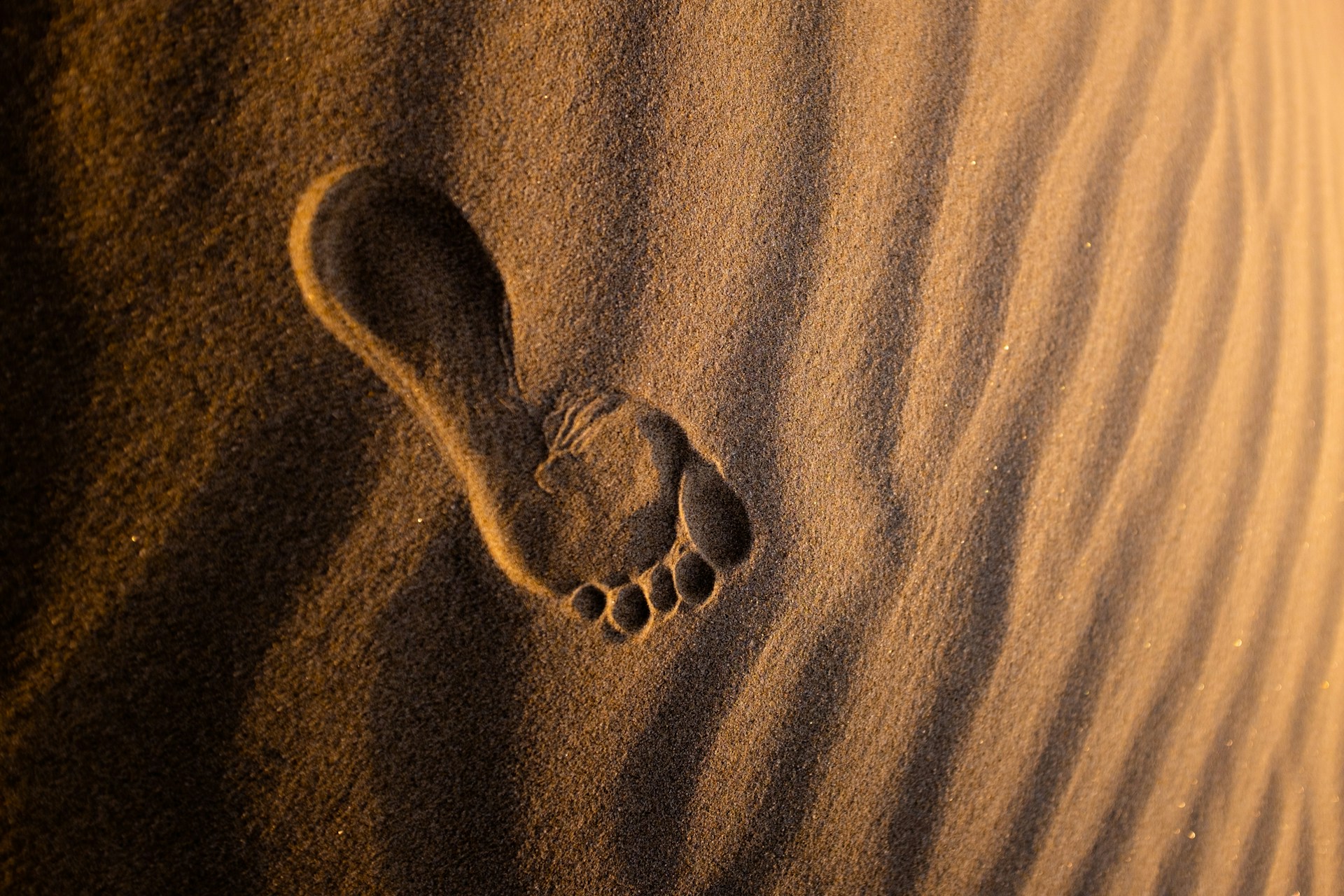
We leave footsteps.
We leave the traces of the time we spent there.
Then we move on.
The place continues without us.
Someone else walks the same street.
Someone else sits in the same chair.
Someone else looks through the same window.
They may experience something completely different.
That is the strange relationship between geography and memory.
The physical world is shared.
The meaning is personal.
A place can belong to thousands of people and still contain a private story for each one.
That may be why certain places feel different.
They are not just somewhere.
They are somewhere plus everything we bring with us.
Our memories.
Our expectations.
Our senses.
Our attention.
Our history.
Our imagination.
And sometimes, simply our mood on that particular day.
The World Is Full of Places Waiting to Be Felt
We live surrounded by places.
Some are famous.
Some are ordinary.
Some appear on maps.
Some do not.
Some are crowded.
Some are quiet.
Some are designed carefully.
Others evolved naturally over decades.
But each one has a character waiting to be noticed.
The next time you walk into a place that feels strangely different, maybe do not immediately try to explain it.
Pay attention.
Look at the light.
Listen to the sounds.
Notice the architecture.
Watch how people move.
Notice the temperature.
Observe the small details.
Think about what the environment reminds you of.
Sometimes the answer is not one thing.
It is everything.
A place can feel different because of thousands of tiny signals arriving at the same time.
And somewhere inside that combination, the human mind creates meaning.
That is one of the most fascinating things about the world.
We build places, but places also build experiences.
We create environments, and then those environments become part of our stories.
A street becomes a memory.
A building becomes a chapter.
A room becomes a creative period.
A city becomes an era.
A landscape becomes a feeling.
And years later, you may find yourself somewhere completely different, suddenly remembering a place you once knew.
You may not remember its exact coordinates.
You may not remember every building.
You may not even remember what you were doing there.
But you remember how it felt.
Sometimes, that is what makes a place a place.
Not where it is on the map.
But where it lives in you.