10 African Players Who Could Shock the World at the 2026 FIFA World Cup
African football is entering a defining moment.
The 2026 FIFA World Cup will not just be another tournament for the continent — it will be a statement. A statement that African football has evolved beyond talent alone, into structure, belief, and global competitiveness.
With 10 African nations qualifying — Algeria, Cape Verde (first-ever appearance), DR Congo (via intercontinental play-offs), Egypt, Ghana, Ivory Coast, Morocco, Senegal, South Africa, and Tunisia — the stage is set for new heroes to emerge.
History tells us one simple truth:
The World Cup does not always belong to the biggest names.
It belongs to the biggest moments.
And Africa is full of players capable of producing those moments.
Here are 10 African players who could shock the world in 2026.
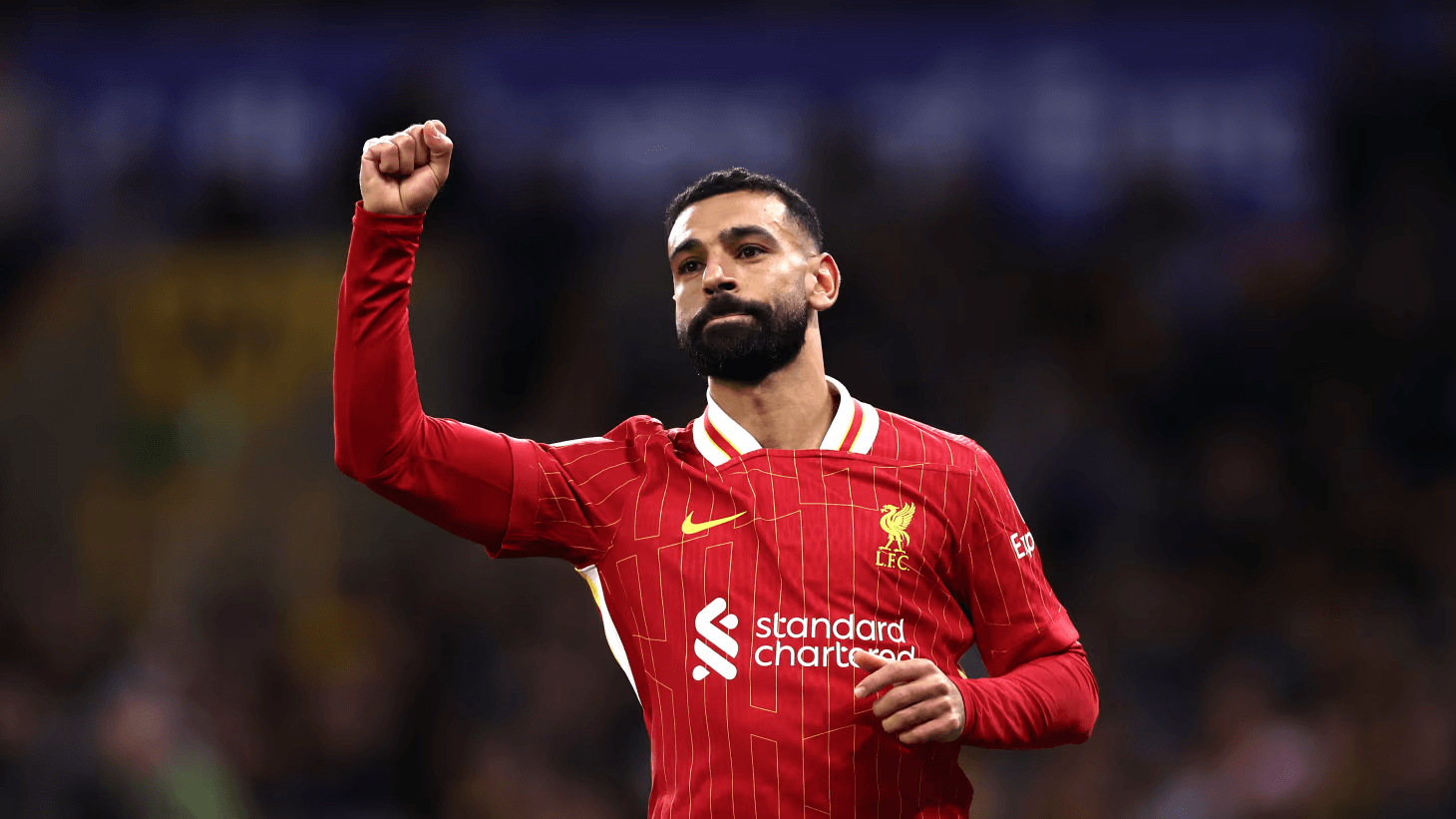
1. Mohamed Salah (Egypt)
At this point in his career, Mohamed Salah no longer needs introduction.
He has conquered the Premier League.
He has delivered for Liverpool.
He has carried Egypt for years.
But the World Cup remains the one stage where his legacy still feels incomplete.
By 2026, Salah will be in the twilight phase of his international career — but legends do not fade quietly. They either disappear… or they rise one last time.
Egypt’s hopes will rest heavily on him, not just as a scorer, but as a leader, a symbol, and a source of belief.
If Egypt makes a deep run, it will almost certainly be because Salah decided the tournament still belonged to him.
2. Achraf Hakimi (Morocco)
Morocco are no longer underdogs.
After their historic run to the semi-finals in 2022, they enter 2026 with a new identity — a team expected to compete at the highest level.
And Achraf Hakimi remains central to that transformation.
Explosive, fearless, and technically elite, Hakimi is the modern full-back blueprint. He defends with intensity and attacks with purpose.
He is not just a right-back anymore — he is a system by himself.
If Morocco repeat or surpass their 2022 success, Hakimi will be one of the defining reasons why.
3. Victor Boniface (Ivory Coast)
Ivory Coast arrive in 2026 with a squad built on power, youth, and attacking confidence.
And Victor Boniface could be their breakout weapon.
Strong, direct, and intelligent in movement, Boniface represents a striker who does not need many chances to make an impact.
He is the type of forward who changes games with presence alone — defenders feel him before they even see him.
If Ivory Coast go on a surprise run, Boniface will almost certainly be at the center of it.
4. Mohammed Kudus (Ghana)
Ghana returns to the World Cup with expectation, energy, and a new generation ready to prove themselves.
At the heart of that generation is Mohammed Kudus.
Elegant on the ball, unpredictable in tight spaces, and capable of moments of pure brilliance, Kudus is the kind of player who turns ordinary games into highlights.
He does not just play football — he manipulates rhythm, tempo, and space.
For Ghana to shock the world, Kudus must become more than a star.
He must become a statement.
5. Riyad Mahrez (Algeria)
Algeria return with experience, structure, and one of Africa’s most technically gifted players of the last decade.
Riyad Mahrez may no longer rely on explosive pace, but his intelligence has only grown sharper with time.
He now plays like a conductor rather than a winger — controlling games with timing, precision, and decision-making.
At 2026, Mahrez could deliver one final major international story.
And World Cups love final stories.
6. Serhou Guirassy (Tunisia)
Tunisia’s football identity has always been built on organization, discipline, and tactical awareness.
But to shock the world, they will need goals.
That is where Serhou Guirassy comes in.
One of the most clinical strikers in European football, Guirassy does not waste chances. He converts pressure into results.
He does not need dominance. He needs opportunity.
And in tournament football, that is often enough.
If Tunisia make a surprise run, Guirassy will be the reason.
7. Amine Gouiri (Algeria)
Algeria’s attack is not just about Mahrez.
Amine Gouiri represents the next evolution.
Creative, technical, and comfortable in multiple attacking roles, Gouiri brings unpredictability to Algeria’s frontline.
He can drop deep, combine in tight spaces, or finish chances when needed.
In a World Cup where tactical flexibility matters more than ever, Gouiri could become a key surprise factor.
8. Lyle Foster (South Africa)
South Africa’s return to the World Cup is one of the quiet emotional stories of 2026.
But they are not coming to participate.
They are coming to compete.
And Lyle Foster may lead that charge.
A strong, intelligent striker with good link-up play and composure, Foster represents a modern forward who works for the team while still providing goals.
South Africa will not carry pressure as favorites — and that can be dangerous for opponents.
Because teams with nothing to lose often become the most unpredictable.
9. Yoane Wissa (DR Congo)
DR Congo arrive through the intercontinental play-offs — and that alone makes them one of the most intriguing African teams in the tournament.
Yoane Wissa could be their most dangerous attacking threat.
Fast, sharp, and constantly moving between lines, Wissa thrives in chaotic matches where space opens up.
World Cups often reward players who embrace chaos rather than control it.
Wissa is exactly that type of player.
If DR Congo shock a bigger nation, expect him to be involved.
10. Garry Rodrigues (Cape Verde)
Cape Verde’s qualification for the 2026 World Cup is already history.
Their first-ever appearance on football’s biggest stage is a victory in itself.
But they are not just there to experience the moment.
They are there to compete.
And Garry Rodrigues could be the player who gives them a voice.
Experienced, skillful, and capable of creating something out of nothing, Rodrigues brings leadership and attacking spark to a nation making its debut on the world stage.
Cape Verde will be written off by many.
But World Cups are built on stories like theirs.
Why Africa Could Shock the World in 2026
For years, African football has carried the same label: talent without final breakthrough.
But that narrative is slowly breaking apart.
Morocco changed perception in 2022.
Senegal proved discipline and structure can win.
Egypt continues to rely on world-class brilliance.
Ghana, Algeria, Tunisia, Ivory Coast, South Africa, DR Congo, and Cape Verde all bring different identities, different strengths, and different ambitions.
This is no longer a continent waiting for one breakthrough team.
This is a continent with multiple threats.
And that is what makes 2026 dangerous for the rest of the world.
The World Cup Changes Everything
Club football defines consistency.
International football defines legacy.
And the World Cup defines immortality.
Every four years, players who were not supposed to matter become unforgettable.
A striker becomes a national hero.
A winger becomes a global name.
A defender becomes a tournament symbol.
Somewhere in this list of African talents is a player who will not just perform — but transform.
Not expected.
Not predicted.
But remembered.
Because that is what the World Cup does best:
It turns moments into history.