
Large Ancient Hunter-Gatherer Pyre Found in Central Africa
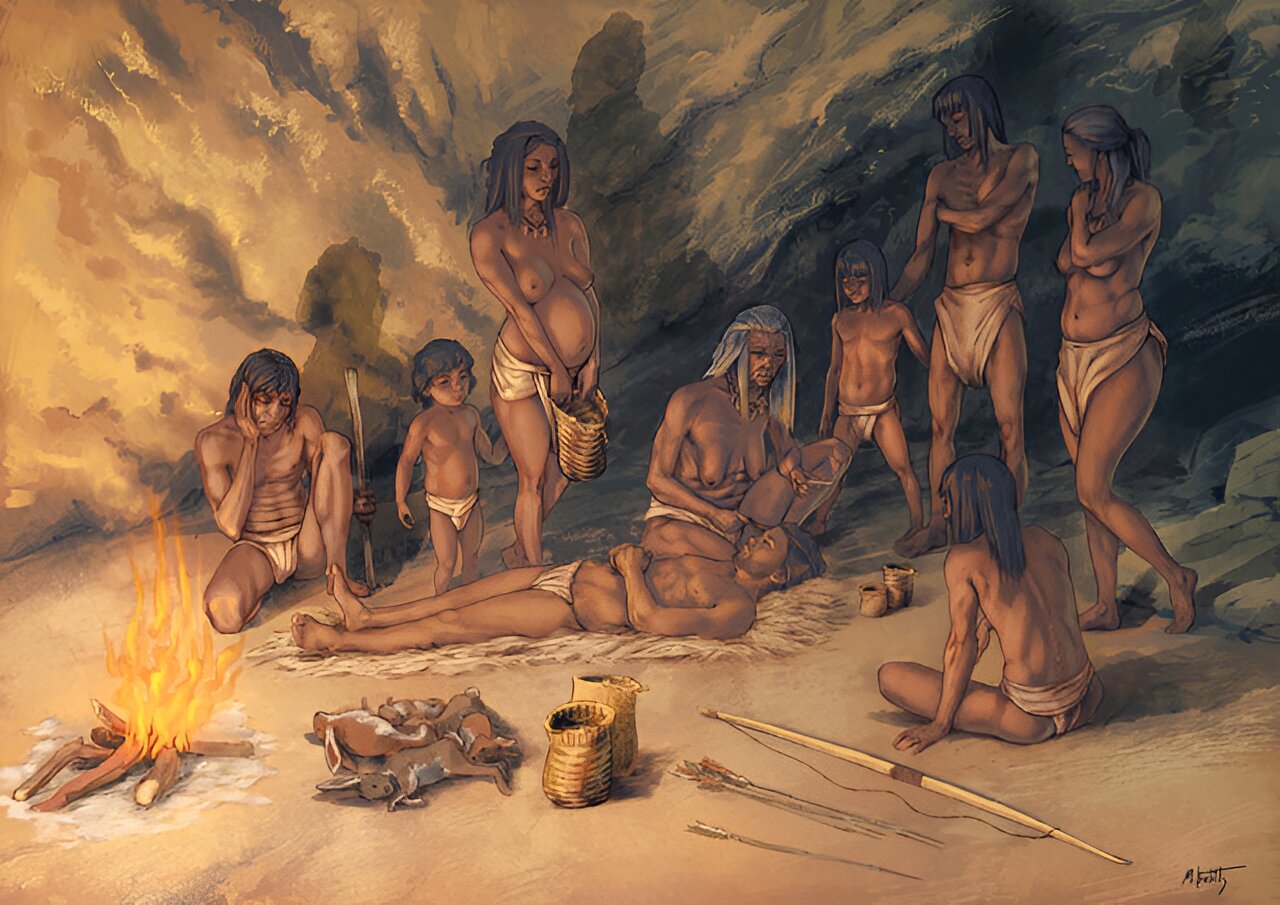
Unearthing the Past: A Remarkable Discovery in the Congo Basin
Archaeologists have made a groundbreaking discovery deep within the Congo Basin: a massive prehistoric pyre used by ancient hunter-gatherer communities. This find, announced through the Archaeology.org news report, challenges long-held assumptions about the technological capabilities and ritual complexity of early human societies in Central Africa. Estimated to date back several thousand years, this intentionally constructed large-scale fire site represents one of the most significant early hunter-gatherer finds in the region, offering unprecedented insights into symbolic behavior, group cooperation, and environmental management long before the advent of farming.
Site Specifics: What Excavations Have Revealed
Located in a remote area of the Congo Basin in the Democratic Republic of the Congo, the pyre site was identified through a combination of satellite imagery analysis and ground surveys. Initial excavations, led by an international team, have revealed distinct layers providing clues to its construction and use:
- Enormous Scale: The pyre structure measures over 15 meters in diameter and contains layers of charcoal and ash exceeding 2 meters in depth – far larger than typical domestic hearths.
- Complex Construction: Evidence of stone-lined pits and carefully arranged fuel layers suggests deliberate, sophisticated building techniques requiring significant planning and labor.
- Cultural Material: Excavations uncovered heat-fractured stones and a small number of ritually modified artifacts (including ochre-stained tools and intentionally broken points) within the ash matrix, hinting at ceremonial activities.
- Botanical Evidence: Analysis of charcoal fragments indicates selective use of specific hardwoods capable of generating intense, sustained heat.
Dating the Blaze
Radiocarbon dating of multiple charcoal samples has placed the pyre’s primary use phase firmly within the Late Stone Age, approximately 8,000-10,000 years ago. This timeframe places the site squarely within the era dominated by highly mobile hunter-gatherer groups in Central Africa.
Beyond Heat: Decoding the Pyre’s Likely Significance
The sheer scale and evident effort invested in constructing this pyre rule out mundane domestic functions like cooking or small-group warmth. Researchers are exploring several compelling interpretations:
- Communal Ritual & Ceremony: The primary hypothesis suggests the pyre served as a focal point for large gatherings, possibly for mortuary practices (communal cremation), major seasonal rites, initiation ceremonies, or rituals related to cosmological beliefs.
- Landscape Management: Some researchers propose its use in large-scale environmental modification, such as clearing land to attract game animals, stimulate new plant growth, or manage resources over a vast territory.
- Social Cohesion & Territorial Marking: The construction and use of such a monumental feature would have required cooperation across potentially dispersed bands. Its visible location and enduring presence might have served as a powerful territorial marker and a symbol of collective identity.
- Technological Demonstration: Mastery of fire on this scale represents significant practical knowledge. Building and maintaining the pyre could have been a demonstration of group strength and technological prowess.
A Shift in Understanding Hunter-Gatherer Complexity
This discovery fundamentally challenges the perception of early Central African hunter-gatherers as small, isolated bands with limited capacity for large-scale cooperation or complex ritual organization. The pyre demonstrates:
- Organizational Skills: Gathering sufficient fuel and coordinating labor implies sophisticated social organization and communication networks.
- Ritual Sophistication: Points towards a rich symbolic and ceremonial life previously underestimated for this period in the region.
- Environmental Knowledge: Reflects deep understanding of fuel properties, fire behavior, and potentially, ecological manipulation.
Central African Hunter-Gatherers: The Context of the Discovery
The Congo Basin, one of Earth’s oldest rainforest ecosystems, presents unique challenges for archaeology. The acidic soils and dense vegetation often lead to poor preservation of organic remains, making discoveries like this exceptionally rare and valuable. Hunter-gatherer groups have inhabited this region for tens of thousands of years, adapting to complex forest and riverine environments.
- Mobile Lifestyles: Groups were typically highly mobile, exploiting diverse resources. Evidence for large, fixed-site features like this pyre was previously scarce.
- Material Culture: Known primarily through stone tools (microliths, points, scrapers) and rare organic fragments. The symbolic context of these tools is often elusive.
- Modern Analogues: Groups like the Mbendjele BaYaka and Aka in the region maintain some traditional hunter-gatherer practices, offering potential (though cautiously used) ethnographic parallels for interpreting communal rituals and fire use.
Why This Site Changes the Narrative
Prior to this discovery, evidence for large-scale communal activities among ancient Central African hunter-gatherers was largely indirect or inferred from smaller sites. The pyre provides tangible, monumental proof that these societies were capable of organizing beyond the immediate band level for significant projects with probable ritual or communal significance. It suggests levels of social complexity and shared belief systems that archaeologists hadn’t definitively documented for this specific era and location.
Challenges, Implications, and Future Research
While groundbreaking, the pyre site presents significant research hurdles:
- Preservation Limitations: Acidic soils mean human remains or detailed organic artifacts likely didn’t survive, making definitive proof of specific rituals (like cremation) difficult.
- Interpreting the “Why”: Distinguishing between ritual, practical functions, or a combination remains a core challenge. The modified artifacts are key clues pointing towards ceremony.
- Finding More: Is this pyre unique, or part of a wider pattern? Researchers are intensifying surveys to locate similar sites.
Future Directions
The research team is focusing on several key areas:
- Advanced Geoarchaeology: Detailed analysis of soil micromorphology to understand firing temperatures and construction sequences.
- Expanded Dating: Obtaining more dates from different layers to understand the duration and frequency of pyre use.
- Paleoenvironmental Reconstruction: Studying pollen, phytoliths, and charcoal species to understand the local environment at the time and potential impacts of the pyre.
- Wider Landscape Survey: Searching for associated campsites, activity areas, or other ritual features to contextualize the pyre within a broader settlement pattern.
- Ethnoarchaeological Collaboration: Working respectfully with descendant communities to explore potential cultural continuities or interpretations (without imposing modern meanings directly on the past).
Illuminating the Depths of Human History
The discovery of this enormous ancient pyre in the heart of Central Africa shines a literal and metaphorical light on a poorly understood chapter of human history. It forces a reevaluation of the social and ritual capabilities of early hunter-gatherers in one of the world’s most challenging environments. This site stands as a testament to ancient communal effort, sophisticated knowledge of fire, and likely complex belief systems long predating agriculture in the region. As research continues, this monumental pyre promises to burn away misconceptions, revealing the profound depth of human ingenuity and social organization thousands of years ago in the dense forests of Central Africa.