The Things Games Let Us Experience That Reality Doesn’t

There is something strange about games.
We know they are not real.
We know the buildings are made from polygons, the landscapes are textures, the characters are collections of animations, and the explosions are carefully timed pieces of software. We know that when a character falls from a mountain, nobody is actually falling. When a spaceship crosses a galaxy, it may only be moving between coordinates stored inside a computer.
And yet, for a few hours, we believe.
Not literally.
But enough.
Enough to become attached to a fictional place. Enough to remember a virtual road. Enough to feel nervous before opening a door. Enough to spend hours exploring a world that technically does not exist.
Games have always been good at doing something unusual: creating experiences that reality cannot easily provide.
Reality has rules, limitations, consequences, distances, waiting times, and physical boundaries.
Games can bend many of those things.
They can let us fly.
They can let us restart.
They can let us become someone completely different.
They can let us build cities without owning land, explore planets without leaving a room, race cars without buying one, become musicians without learning an instrument, and fight impossible battles without anyone getting hurt.
But perhaps the most interesting thing games give us is not escape.
It is possibility.
The Experience of Starting Over
One of the most powerful things games allow is the ability to start again.
In reality, we cannot simply reload yesterday.
There is no button that says:
Load Previous Day.
There is no save file containing the moment before an awkward conversation, a missed opportunity, a bad decision, or a wrong turn.
Games can provide that.
You can make a mistake, learn from it, restart, and try again.
This creates an unusual psychological space.
Failure becomes information.
You fall off the same platform ten times, but the eleventh attempt is different because the previous ten attempts taught you something.
You learn the timing.
You learn the pattern.
You learn where the danger is.
Eventually, something that once felt impossible becomes ordinary.
That experience is difficult to reproduce in everyday life.
Real life has consequences that cannot always be reversed.
Games create a safe laboratory for experimentation.
They let us ask:
What happens if I try this?
And if the answer is unpleasant, we can try something else.
That simple loop is one of the reasons games can feel so satisfying.
Try.
Fail.
Understand.
Try again.
Improve.
Succeed.
It is a tiny model of learning.
The Experience of Flying
Humans have always looked upward.
Birds fly.
Clouds move across the sky.
Aircraft cross continents.
But for most of human history, the sky was somewhere we could look at rather than somewhere we could freely move through.
Games changed that.
Press a button and suddenly gravity becomes optional.
You can jump from a mountain.
You can glide between buildings.
You can pilot an aircraft.
You can ride a dragon.
You can become a superhero.
You can leave the ground entirely.
There is something deeply satisfying about movement without physical limitation.
A virtual world can make distance feel different.
A mountain that would take hours to climb can be crossed in minutes.
A city can be viewed from above.
A fictional planet can be explored from orbit.
Games transform movement into an experience rather than a transportation problem.
Reality asks:
How do you get there?
Games can simply ask:
Where do you want to go?
That difference is enormous.
The Experience of Becoming Someone Else
Everyday life comes with an identity.
Your name.
Your appearance.
Your responsibilities.
Your history.
Your reputation.
Games can temporarily remove many of those things.
You can become a detective.
A farmer.
A soldier.
A pilot.
A racing driver.
A space explorer.
A king.
A thief.
A builder.
A footballer.
A wizard.
Or someone who does not exist anywhere outside the game.
Character creation makes this even more interesting.
You can change your hairstyle, clothes, voice, abilities, appearance, profession, home, and sometimes even your personality.
The game does not ask:
Who are you in the real world?
It asks:
Who do you want to be here?
That is a fascinating question.
Not because the virtual identity is more important than the real one, but because experimenting with identity can be enjoyable.
Games give people permission to imagine.
And imagination does not require a passport.
The Experience of Building Something From Nothing
There is another experience games provide extremely well:
Creation.
A blank landscape can become a village.
A village can become a city.
A small farm can become an enormous operation.
A few blocks can become a castle.
A collection of resources can become an entire civilization.
The physical world makes construction expensive.
Games can make it almost instantaneous.
You can place a wall.
Then another.
Then a roof.
Then a window.
Then a staircase.
Suddenly, you have a building.
There is a special satisfaction in watching an environment transform because of your decisions.
This is why building games can be so absorbing.
They turn imagination into visible structure.
The idea in your head becomes something you can walk around inside.
That is an extraordinary feature of digital worlds.
A thought becomes geometry.
A plan becomes architecture.
An idea becomes a place.
The Experience of Exploring Somewhere That Does Not Exist
There are countless places humans will never visit.
Some are too distant.
Some are fictional.
Some are impossible.
Games can create them anyway.
A game can contain a city with streets that never existed.
A forest with trees that no real forest contains.
A planet orbiting a fictional star.
An underwater civilization.
A forgotten kingdom.
A futuristic megacity.
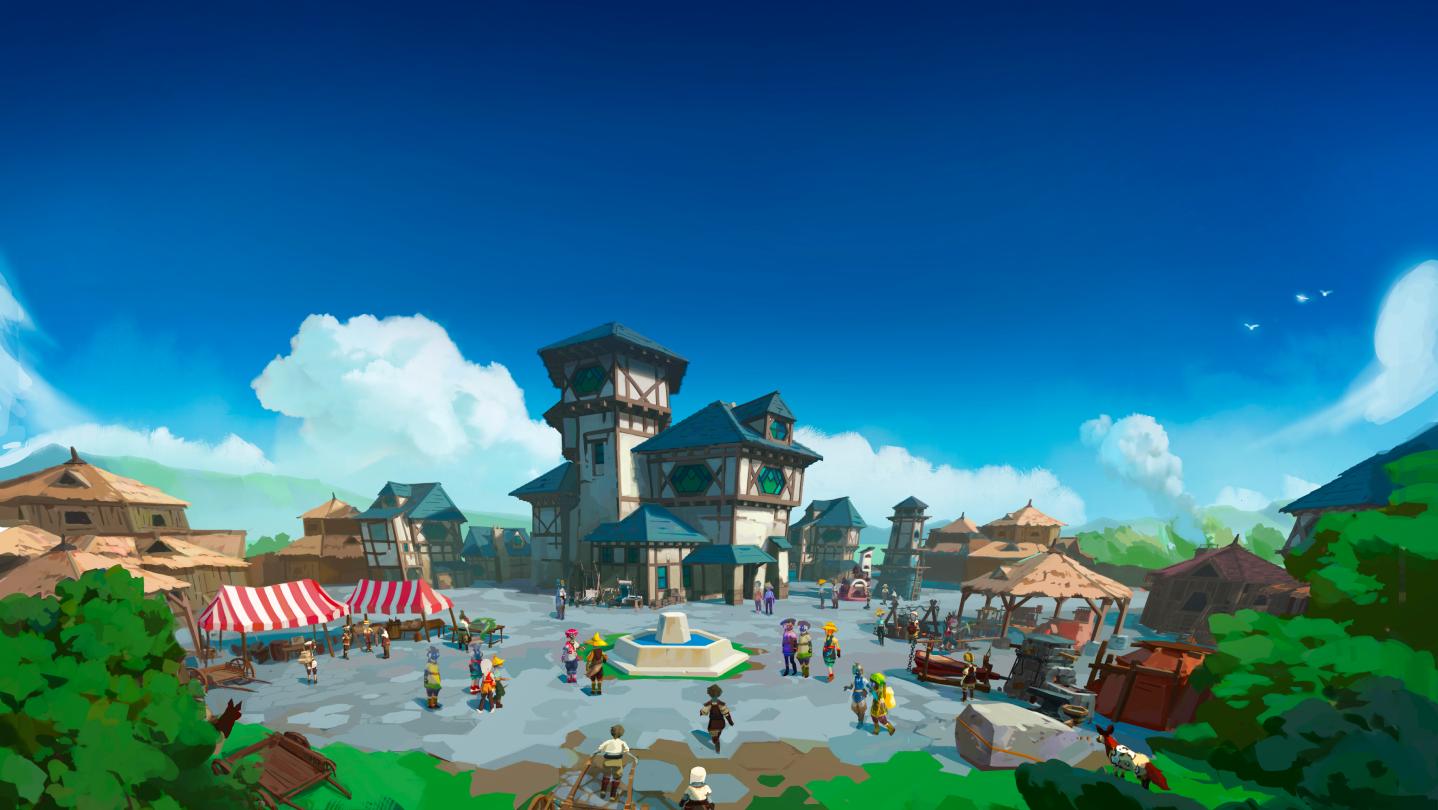
A tiny village hidden inside a fictional mountain range.
The player can walk through these places and slowly learn their geography.
Eventually, something strange happens.
The fictional location becomes familiar.
You know where the bridge is.
You know which road leads to the market.
You remember the house at the end of the street.
You recognize the soundtrack when entering a particular area.
You have never been there.
Yet you know the place.
This is one of the great tricks of games.
They create memories for locations that do not physically exist.
The Experience of Having a Personal Soundtrack
Real life does not usually come with background music.
Walking to the store does not automatically trigger an orchestral composition.
Entering a room does not cause a perfectly timed musical transition.
Games can do this.
Music follows us through virtual worlds.
A quiet melody accompanies exploration.
A faster rhythm appears when danger approaches.
A powerful theme arrives during an important moment.
Music tells us how a place feels.
Sometimes the soundtrack becomes inseparable from the location.
Years later, hearing a particular melody can immediately return us to a fictional world.
It is almost like carrying a small piece of that world outside the game.
The song becomes a memory trigger.
The game may be gone.
The console may be unplugged.
The save file may have disappeared.
But the melody remains.
The Experience of Controlling Time
Time is one of reality’s strongest rules.
Games can bend it.
Pause.
Resume.
Fast travel.
Sleep.
Skip a day.
Restart a mission.
Replay a scene.
Slow motion.
Instant travel.
Some games even allow entire generations to pass.
This creates something reality cannot easily provide:
control over pacing.
You can spend an hour exploring one small area.
Or you can skip several weeks of fictional time with a button.
You can stop in the middle of an intense situation and simply think.
The world waits.
Reality rarely does.
There is something comforting about knowing that the environment will remain frozen until you are ready to continue.
The Experience of Being Ridiculously Good at Something
Most people are beginners at many things.
Learning takes time.
Physical skills require repetition.
Expertise can take years.
Games compress this process.
A character can become powerful surprisingly quickly.
You might begin unable to defeat a particular enemy.
Hours later, you return and defeat it almost effortlessly.
Your character has changed.
But so have you.
You learned the mechanics.
You recognized the patterns.
You improved your timing.
You understand the environment.
This creates a very clear sense of progression.
Level 1 becomes Level 20.
A basic weapon becomes a powerful one.
A small house becomes a large estate.
A slow vehicle becomes a machine capable of incredible speed.
Numbers make improvement visible.
Reality often hides progress.
Games put it on the screen.
Experience gained.
Level up.
New ability unlocked.
Those messages are fictional, but the feeling they represent is real.
The Experience of Living Inside a Story
Books allow us to imagine stories.
Movies show us stories.
Games allow us to participate in them.
That difference matters.
A movie character may open a door.
You watch.
In a game, you may be the person opening the door.
The story becomes partially dependent on your movement.
You are not simply watching a journey.
You are moving through it.
This creates a strange relationship between player and narrative.
The fictional world provides the setting.
The developers provide the rules.
But the player provides the movement.
The story happens because you continue.
Sometimes the most memorable moments are not even major plot points.
They are small discoveries.
A quiet room.
A strange conversation.
A hidden path.
A sunset over a digital landscape.
A random character saying something unexpectedly funny.
Games are filled with these small moments because they allow players to wander between the major events.
The Experience of Being Curious Without a Destination
Reality often gives us destinations.
Work.
School.
Home.
The store.
An appointment.
A particular place we need to reach.
Games can remove the requirement to have a destination.
You can simply walk.
You can drive.
You can swim.
You can climb.
You can investigate.
You can follow a road because it looks interesting.
This is one of the purest forms of digital freedom.
You are not necessarily trying to accomplish anything.
You are simply seeing what is there.
Open-world games understand this especially well.
Sometimes the main mission becomes irrelevant.
You see a mountain in the distance.
You wonder what is there.
So you go.
And suddenly, thirty minutes have passed.
You discovered a cave.
Then a village.
Then a strange structure.
Then an unexpected view.
The game rewarded curiosity.
Reality can do that too, of course.
But games are designed around it.
They build worlds specifically to make you wonder:
What is over there?
The Experience of Having a World Respond to You
Perhaps the most interesting difference between games and reality is responsiveness.
You press something.
The world changes.
You move.
Something moves with you.
You build something.
It remains.
You complete a mission.
The game remembers.
You become stronger.
The game reflects it.
You make a decision.
The story may change.
This responsiveness creates a powerful feeling of agency.
The world appears to listen.
It reacts.
Not perfectly, of course.
Everything is governed by code.
But well-designed games hide that machinery remarkably well.
Behind the scenes are variables, state machines, physics engines, databases, animation systems, networking layers, event handlers, and countless other technical components.
The player does not see most of them.
The player sees a world responding.
That is the magic.
The Experience of Impossible Scale
Games can make us feel tiny.
Then enormous.
You can walk through a city.
Then zoom outward until the entire planet is visible.
You can control one character.
Then manage an empire.
You can build a small settlement.
Then watch it become a civilization.
Digital worlds can move between scales in ways physical environments cannot.
One moment you are looking at a single object.
The next, you are managing thousands.
This creates a unique sense of perspective.
Games can make scale feel tangible.
A map becomes a world.
A world becomes a system.
A system becomes something you can interact with.
The Experience of Consequences Without Permanent Damage
Games can also teach us something interesting about consequences.
Actions have results.
Open the wrong door.
Spend your resources.
Choose the wrong dialogue option.
Miss the target.
Lose the race.
Fail the mission.
The world responds.
But usually, the consequences remain within the boundaries of the game.
That makes experimentation possible.
You can test different strategies.
You can make strange decisions just to see what happens.
Sometimes you can even deliberately choose the option you would never choose in ordinary life simply because you are curious about the result.
Games create a controlled space for curiosity.
They allow us to explore the relationship between action and consequence without requiring the same risks that physical reality might involve.
The Experience of Shared Imagination
Multiplayer games add another layer.
A fictional world becomes a meeting place.
Someone thousands of kilometers away can stand beside you inside a digital environment.
You can build together.
Race together.
Explore together.
Solve problems together.
Laugh at something unexpected.
The world itself becomes common ground.
The remarkable thing is that the environment does not need to physically exist for the experience to be shared.
The place can be completely fictional.
The connection is still real.
That is one of the most fascinating characteristics of games.
A digital location can become a social location.
The Experience of Seeing What Could Be
Perhaps this is the biggest thing games give us.
Possibility.
They allow us to experience versions of reality that have not happened.
A different city.
A different future.
A different career.
A different world.
A different civilization.
A different version of ourselves.
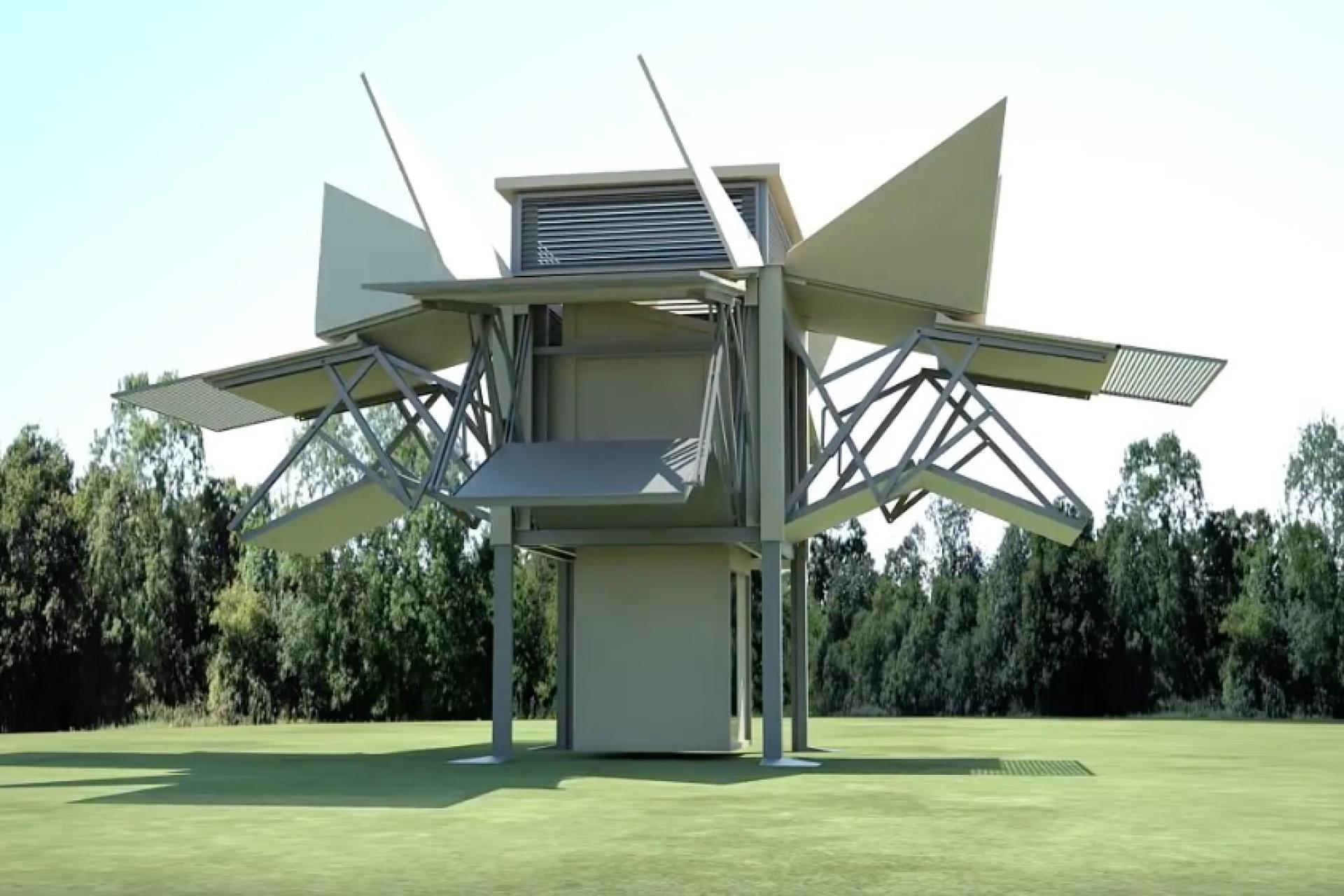
They let designers ask questions through environments.
What if cities were built vertically?
What if humans lived on another planet?
What if machines became companions?
What if an ordinary village contained a secret?
What if the world worked according to completely different rules?
Games turn those questions into places.
And then they let us walk through them.
That is why games can be more than entertainment.
They are simulations of possibility.
They are interactive thought experiments.
They are machines for curiosity.
Reality Still Has Something Games Cannot Reproduce
For all the things games can provide, there is an important boundary.
A game can simulate a sunset.
It cannot produce the actual temperature of evening air on your skin.
It can simulate a conversation.
It cannot reproduce every subtle detail of being physically present with another person.
It can create a beautiful forest.
It cannot replace the smell of rain after a long dry day.
It can create a convincing ocean.
It cannot make you physically feel the movement of real water around your body.
Reality remains extraordinarily complicated.
Games borrow pieces of it.
They simplify them.
Then they rearrange those pieces into something new.
And perhaps that is why games work so well.
They do not need to reproduce reality perfectly.
They only need to reproduce enough of it for our imagination to complete the rest.
The Beautiful Illusion
A game is ultimately an illusion.
But that does not make the experience meaningless.
A fictional city can still give us a memory.
A virtual character can still make us laugh.
A digital landscape can still make us stop and stare.
A soundtrack can still become attached to a period of our lives.
A difficult level can still teach patience.
A virtual failure can still teach persistence.
A fictional journey can still become part of our personal history.
The pixels are not real.
The feelings can be.
And perhaps that is the strange beauty of games.
They build impossible places out of mathematics.
They turn code into movement.
They turn rules into worlds.
They turn screens into windows.
And for a while, they allow us to experience things that reality cannot conveniently provide.
We can fly.
We can restart.
We can build.
We can explore.
We can transform.
We can become someone else.
We can travel without moving.
We can fail without losing everything.
We can discover places that never existed.
We can walk through futures that have not arrived.
We can visit worlds that will never appear on a map.
Then, eventually, we put down the controller.
The screen goes dark.
The room returns.
Reality is still there.
But something has changed.
We have seen another possibility.
And sometimes that is all imagination needs.
A place to begin.