How Science Could Unlock The Mysteries of the Human Brain
By Derek Mwale
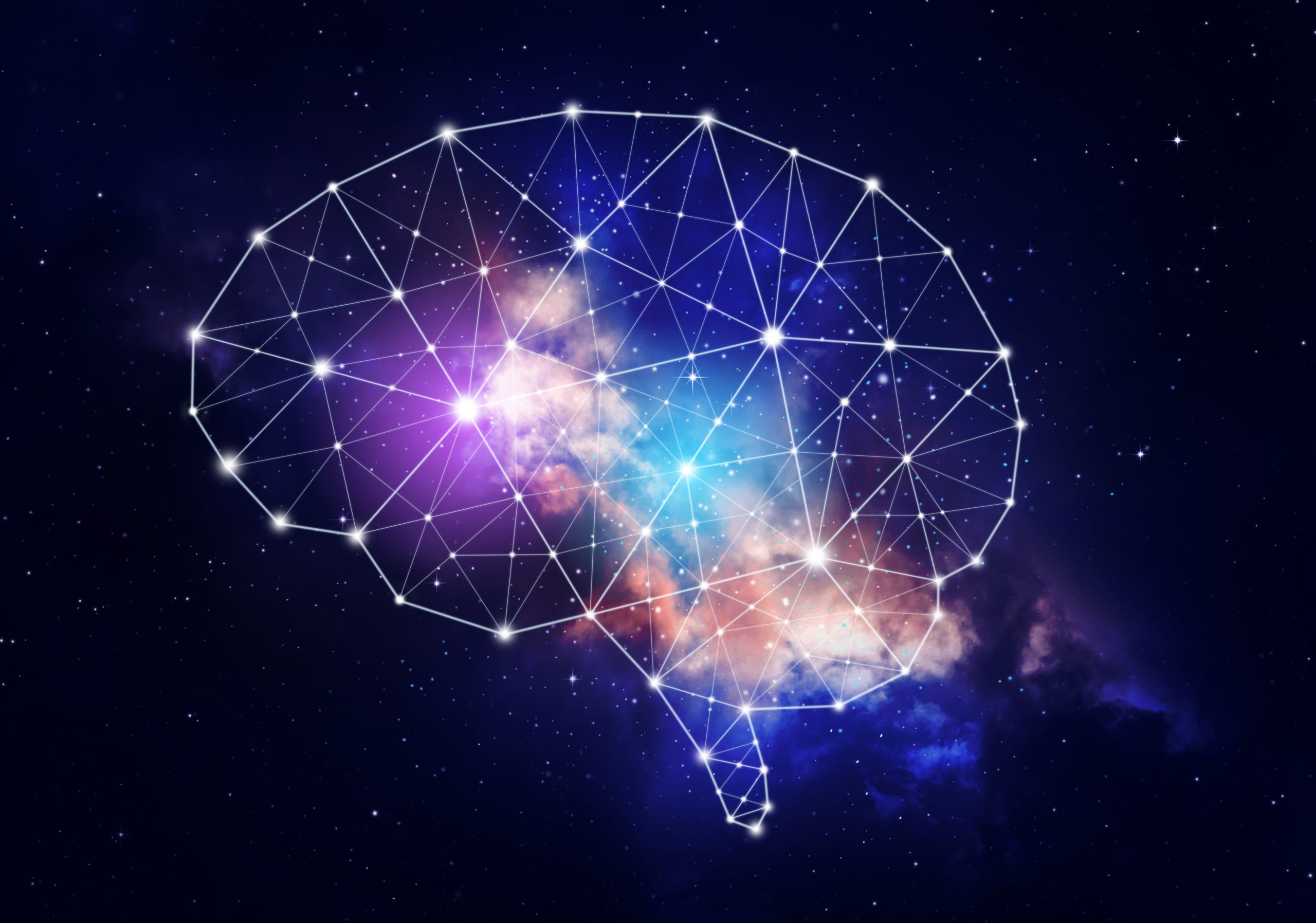
The human brain — that 1.4-kilogram mystery sitting quietly in our heads — is both the command center of civilization and the biggest unsolved riddle in science. It writes poems, dreams in color, falls in love, and invents smartphones… yet it still doesn’t fully understand itself.
But that might be changing.
The Last Frontier Isn’t Space — It’s You
For centuries, humanity has explored the stars, the oceans, and the code of DNA. But the most complex territory still lies beneath our own skulls.
Scientists can now map the brain in ways that were once pure science fiction. Technologies like fMRI (functional magnetic resonance imaging) and neural decoding allow researchers to literally watch thoughts form — not metaphorically, but through color-coded brain scans that reveal which parts light up when you feel joy, pain, or inspiration.
“We used to think the brain was a black box,” says one neuroscientist from the University of Cape Town. “Now, we’re starting to see the code.”
AI Meets the Mind
Artificial Intelligence, which was inspired by the brain, is now coming full circle to study it.
Deep-learning algorithms are being trained to read neural signals and predict emotions or intentions. Google’s DeepMind recently used AI to map millions of unknown brain connections — a project that could lead to breakthroughs in treating mental illness and neurodegenerative diseases like Alzheimer’s.
Meanwhile, researchers in Kenya and South Africa are using AI-powered brain interfaces to help stroke patients regain speech and movement.
It’s not just high-tech wizardry. It’s science reaching deep into humanity’s most sacred space — consciousness.
Memory, Dreams, and the African Imagination
Every culture on this continent has its own theories about the mind. From Bantu philosophy’s “Ubuntu” — I am because we are — to ancient Egyptian ideas of the soul as a constellation of forces, Africa has always tried to understand what makes us human.
Now, neuroscience is catching up.
Scientists studying dreams and memory are finding that the stories we tell ourselves while we sleep might be essential for creativity and emotional healing. That means the act of imagining — something Africans do so well — could be the mind’s way of repairing itself.
The Brain Economy Is Coming
What if the next wave of African innovation doesn’t come from the soil or the silicon, but from the synapse?
Globally, neurotechnology — brain-computer interfaces, cognitive training, mental health apps — is projected to become a $200-billion industry by 2030. And Africa, with its young population and growing tech scene, could play a major role.
Imagine Lusaka startups building apps that decode mood patterns. Or Nairobi labs creating neural headsets to enhance focus in classrooms.
We could move from mind-reading as myth… to mind-enhancing as everyday tech.
The Ethical Question
But before we all plug our thoughts into the cloud, there’s a deeper conversation to be had.
Who owns brain data?
What happens when AI can predict your thoughts before you speak?
And will the future of neuroscience be inclusive — or just another global power imbalance where Africa’s brains are studied, not celebrated?
“We can’t just decode the mind,” a Ghanaian bioethicist warns. “We must also defend it.”
If science can unlock the mysteries of the brain, we must make sure it doesn’t lock away our humanity.
A New Kind of Consciousness
Maybe the ultimate goal isn’t to control the mind, but to understand it enough to set it free.
To see how fear turns into courage.
How memory becomes identity.
How neurons translate into music, art, and empathy.
Because if there’s one thing the African experience teaches, it’s that the mind isn’t just a machine. It’s a drum — beating in rhythm with community, culture, and creation.
The science of the brain isn’t just about neurons.
It’s about knowing ourselves better — as individuals, and as a continent ready to reimagine what it means to be human in the age of AI.
And maybe, just maybe, when Africa fully understands the mind,
the world will finally understand Africa.
Derek Mwale
Zambian Millennial – decoding the future of African minds, culture, and science.