24 Hours Living Like a Broke Student Again
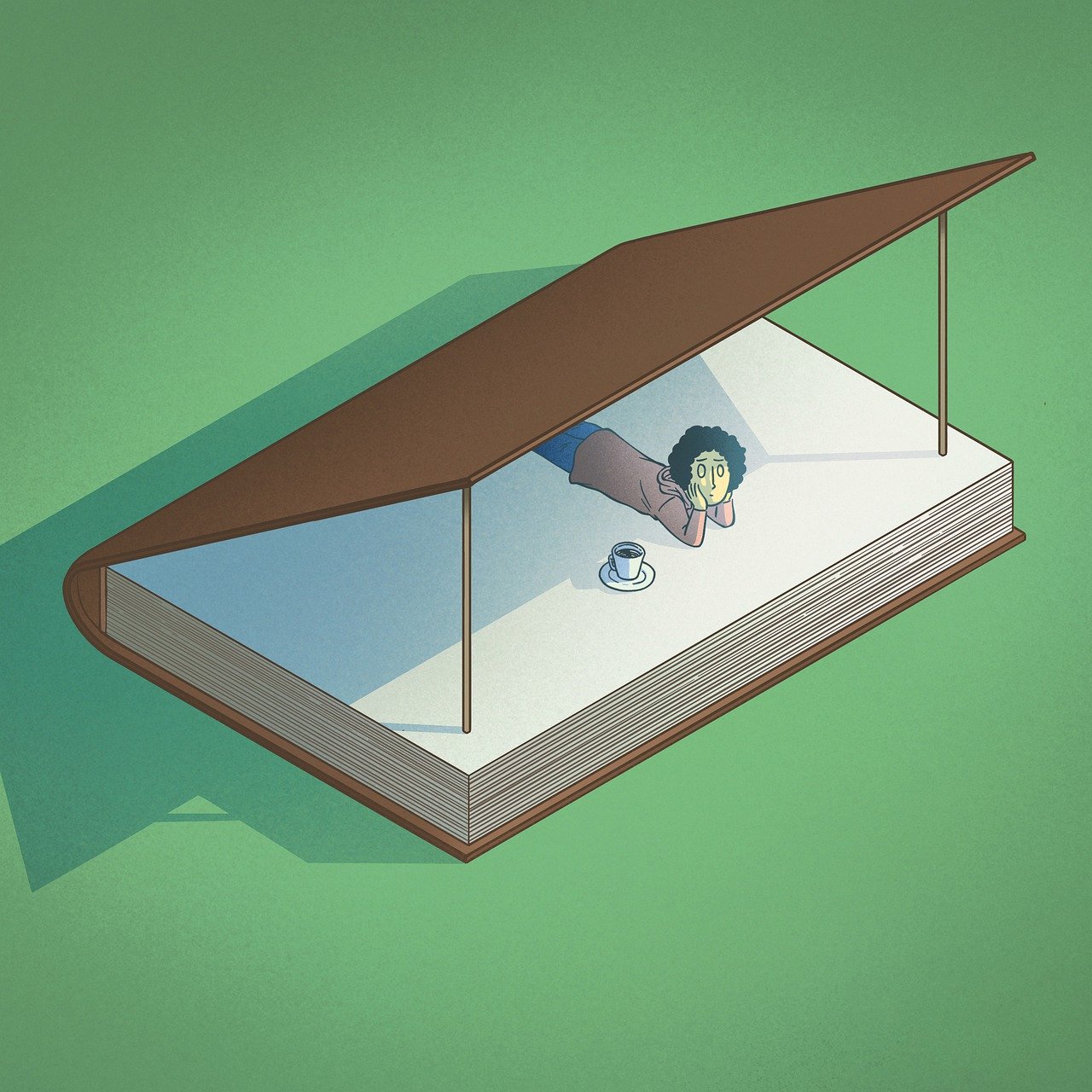
There’s a version of you that existed before comfort.
Before you had options.
Before convenience became normal.
Before you could choose ease over effort without thinking twice.
That version of you didn’t have much—but it had something else.
Hunger.
Not just for food. For progress. For movement. For something better.
So I decided to go back.
Not permanently. Not out of necessity. But as an experiment.
24 hours living like a broke student again.
No unnecessary spending.
No comfort purchases.
No shortcuts that cost money.
Just discipline, awareness, and a reminder of what it feels like to operate with less.
06:00 – Waking Up Without Comfort
The first thing you notice is how different the morning feels when comfort is removed.
No expensive breakfast waiting.
No grabbing something quick on the way.
No “I’ll just order later.”
You wake up with intention.
Because you have to.
There’s no buffer. No safety net of convenience.
Everything you eat, everything you do—it requires effort.
And that changes your mindset immediately.
You are no longer passive.
You are active.
07:30 – Breakfast Becomes Strategy
When you’re broke, food is not just food.
It’s math.
What can I afford?
What will last longer?
What gives the most energy for the least cost?
You don’t think in cravings. You think in efficiency.
So breakfast becomes simple.
Something basic. Filling. Cheap.
No aesthetics. No indulgence.
Just function.
And strangely, there’s clarity in that.
Because when you remove excess, you start to see what actually matters.
09:00 – Movement With Purpose
Getting around is different too.
No quick rides. No convenience transport.
You walk more. You wait more. You plan more.
Every movement has a cost, so you think before you move.
Where do I really need to go?
Can I combine trips?
Is this necessary?
It forces efficiency.
And something else happens—you become more aware of your environment.
You notice things you usually ignore.
Because you are in it, not just passing through it.
11:00 – Time Feels Slower
When money is limited, time behaves differently.
You don’t fill gaps with spending.
You can’t just “go somewhere” to kill time.
So you sit with it.
You think.
You observe.
You plan.
And in that stillness, something uncomfortable surfaces:
How much of your normal life is built on distraction.
When you remove the ability to spend your way out of boredom, you confront your thoughts more directly.
Sometimes that’s productive.
Sometimes it’s not.
But it’s real.
13:00 – Lunch Is Not Casual
Lunch is not a casual decision.
It’s calculated.
You’re thinking:
- What’s affordable?
- What’s enough to get me through the day?
- What’s the best value?
There’s no “let me try this new place.”
There’s no experimenting.
Just survival.
And it reminds you of something simple:
Choice is a luxury.
15:00 – The Mental Shift
By mid-afternoon, the experiment starts to feel less like an exercise and more like a reality.
Because this is not a temporary situation for many people.
This is daily life.
And that realization changes how you see things.
You start to understand the mental load.
The constant calculation.
The small decisions that add up.
The need to think ahead, always.
It’s not just about having less money.
It’s about carrying more weight in every decision.
17:00 – Creativity Under Constraint
When resources are limited, creativity increases.
You start finding alternatives.
Cheaper options.
More efficient methods.
Ways to stretch what you have.
Constraint forces innovation.
Not the polished kind you see in startups—but raw, practical problem-solving.
And you realize something important:
A lot of creativity is born from necessity, not inspiration.
18:30 – Social Life Changes
Evening comes, and with it, the social question.
When you’re broke, socializing is different.
You can’t just:
- Go out freely
- Spend without thinking
- Say yes to everything
You choose carefully.
Sometimes you say no.
Not because you don’t want to be there—but because you can’t afford to.
And over time, that shapes your relationships.
Who understands?
Who pressures you?
Who adjusts?
Money doesn’t just affect your lifestyle—it affects your social world.
20:00 – The Quiet Reality
Night is quieter.
No entertainment spending.
No unnecessary movement.
You sit with the day.
And you start reflecting.
On how different everything felt.
On how much energy goes into managing limited resources.
On how easy it is to forget this reality once you move past it.
What You Realize After 24 Hours
The experiment ends, but the insights stay.
You realize that being broke is not just about lacking money.
It’s about:
- Limited choices
- Constant calculation
- Mental fatigue
- Reduced margin for error
Every mistake costs more.
Every decision matters more.
There’s less room to be careless.
The Discipline You Forget
When you have money, you lose certain disciplines.
Not intentionally—but naturally.
You stop:
- Tracking small expenses
- Thinking deeply about purchases
- Planning every move
Because you don’t have to.
But going back, even briefly, reminds you:
Those disciplines are valuable.
Not because you need them to survive—but because they create awareness.
The Privilege of Convenience
Convenience feels normal—until you remove it.
Then you see it for what it is:
A privilege.
Being able to:
- Order food
- Move quickly
- Spend without stress
- Choose comfort
These things are not basic—they are earned or inherited advantages.
And forgetting that can make you careless.
Respecting the Hustle
After 24 hours, you gain a different kind of respect.
For people who live like this daily.
Who navigate constraints constantly.
Who still show up.
Who still try.
Because it’s not easy.
It requires resilience.
Not the kind that looks impressive—but the kind that endures quietly.
The Dangerous Comfort Zone
Comfort is not bad.
But it can make you forget.
Forget what it takes to build.
Forget what it feels like to struggle.
Forget the discipline that got you here.
And once you forget, you become softer.
Less sharp.
Less aware.
Less intentional.
Final Thought
Living like a broke student again—even for 24 hours—is not about glorifying struggle.
It’s about remembering.
Remembering the mindset.
The discipline.
The awareness.
Because those things are easy to lose once life becomes easier.
And sometimes, the best way to move forward…
is to briefly go back.
Not to stay there.
But to reconnect with the version of yourself that knew how to operate with nothing—
and still found a way to move.