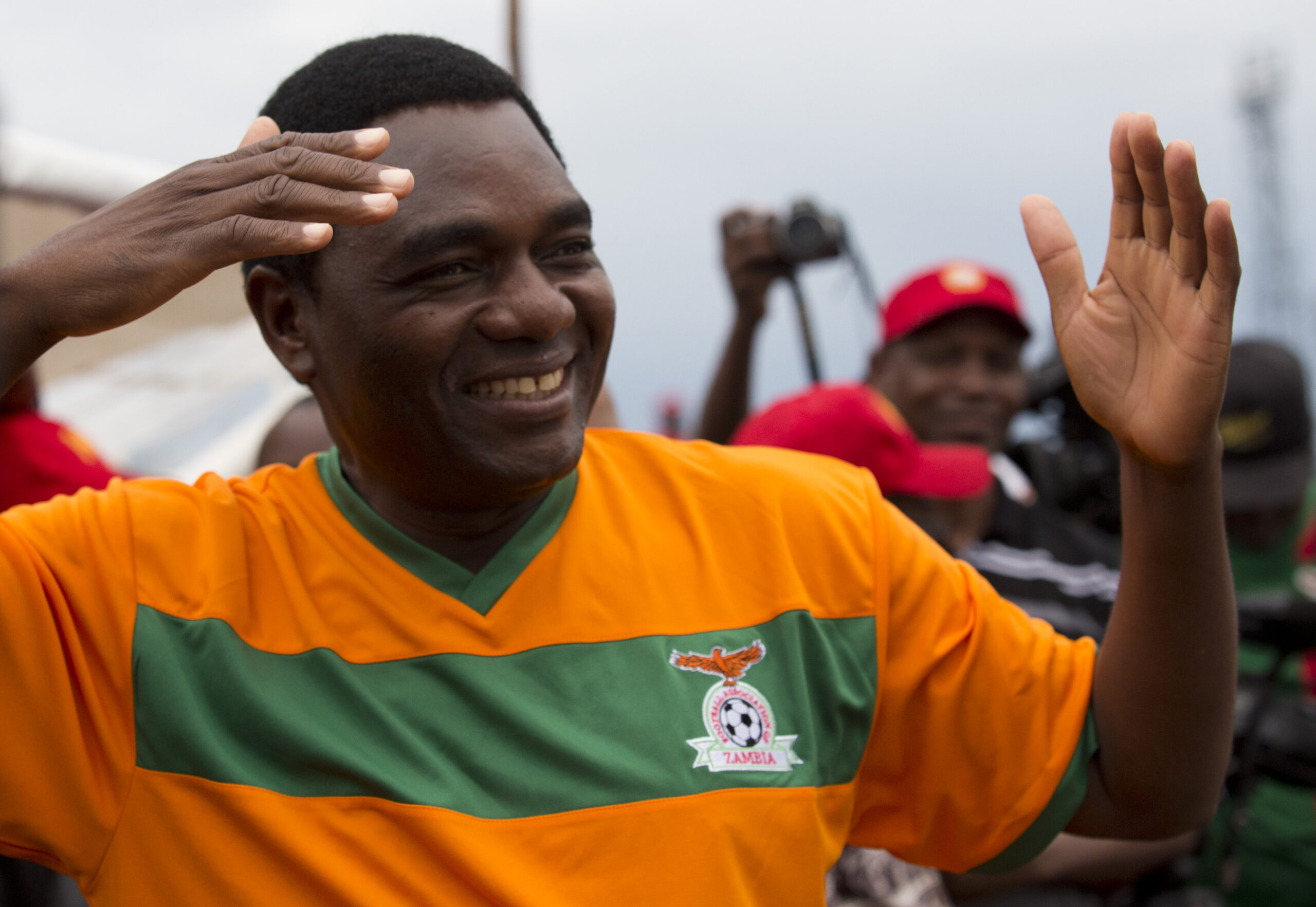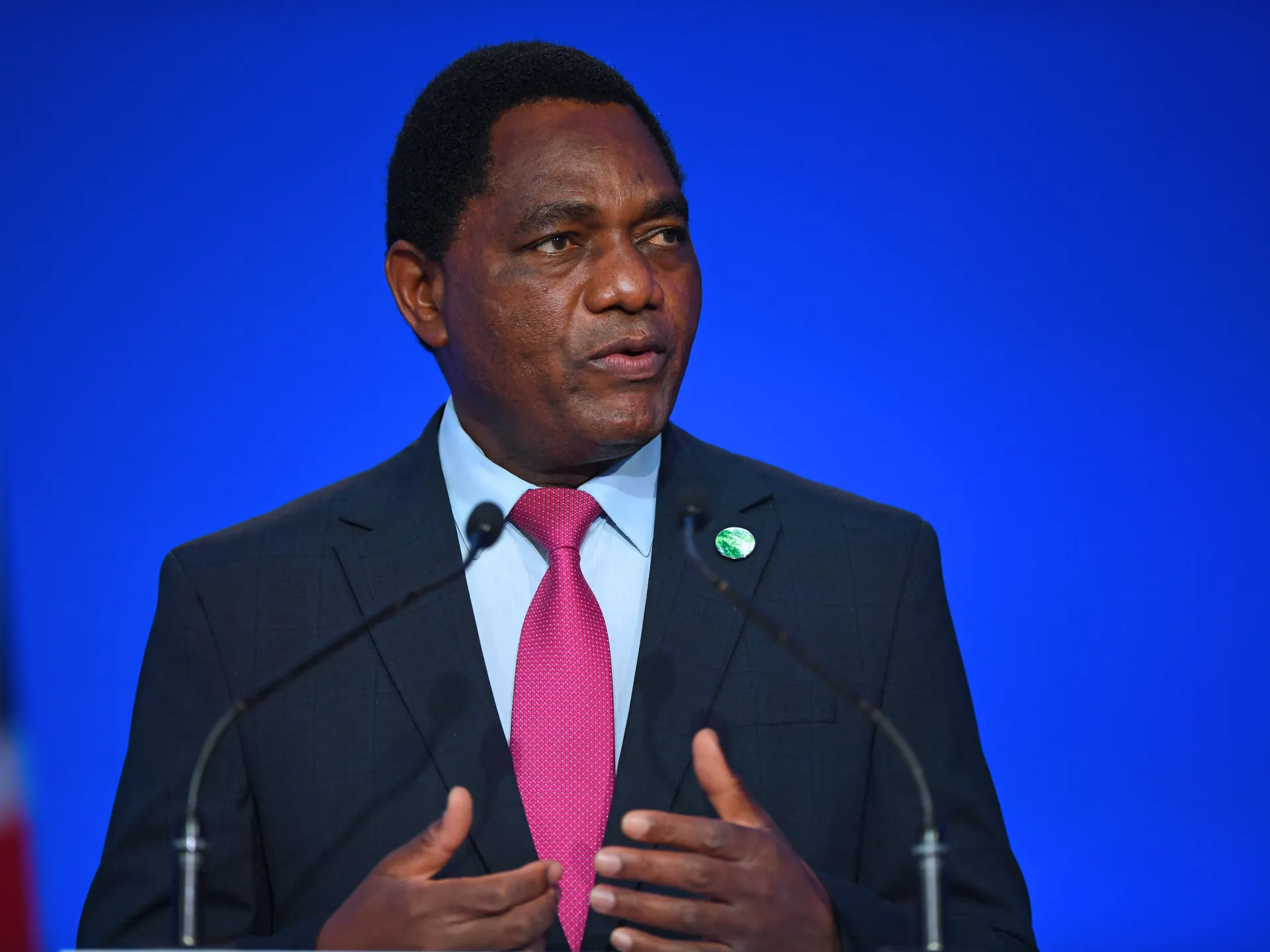
Why Hakainde Hichilema Is Still Zambia’s Best Bet in 2026
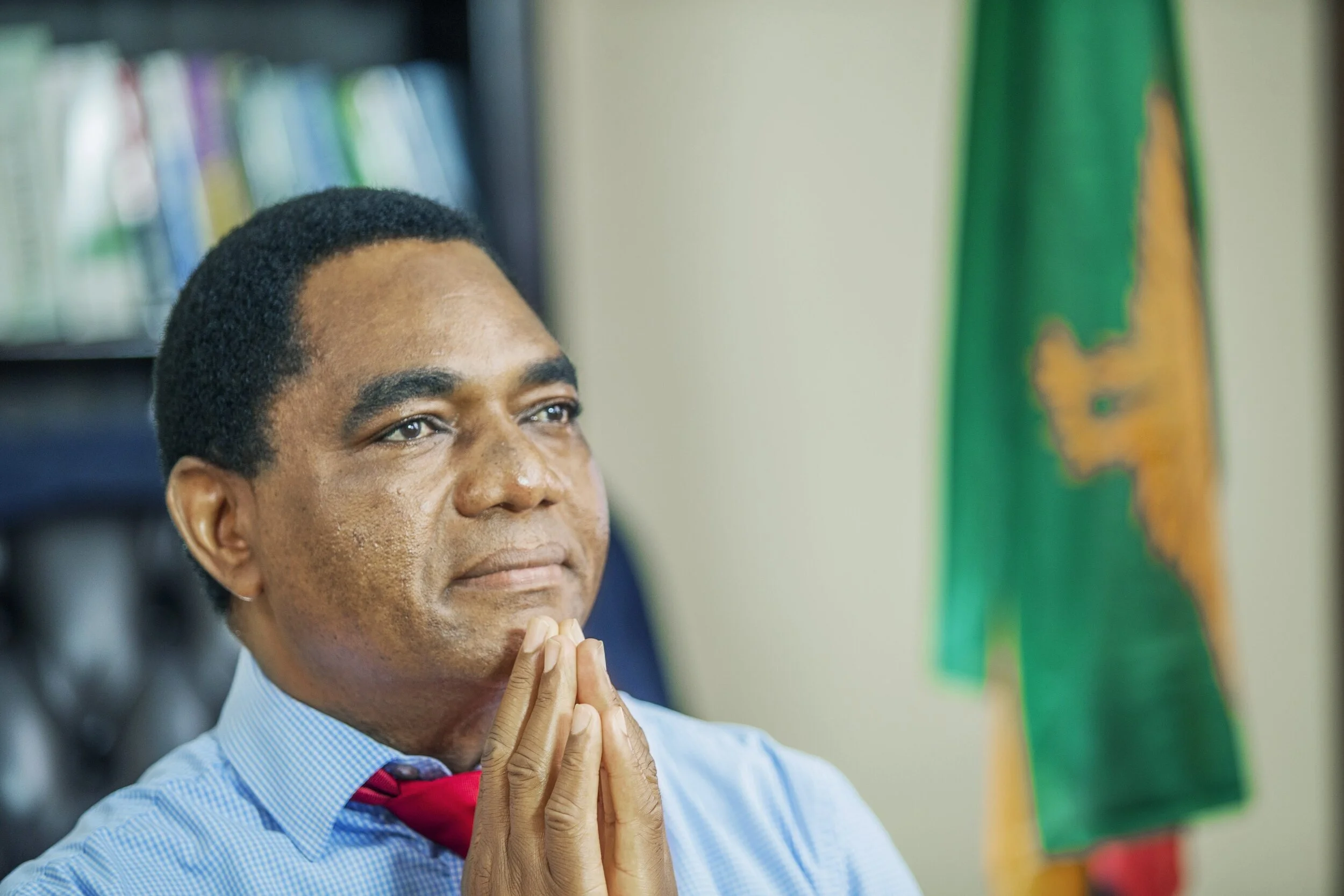
There’s a quiet truth about leadership that most people only realize when it’s too late: it’s not about who shouts the loudest during campaigns — it’s about who can actually carry the weight of a nation when the noise fades.
As Zambia edges closer to the 2026 elections, the political atmosphere is already thick with promises, criticisms, and recycled narratives. But beneath all of that, one question matters more than the rest:
Who can realistically move Zambia forward in a world that is changing faster than ever?
Right now, the answer still leans heavily toward Hakainde Hichilema.
Not because he is perfect — no leader is — but because he represents something Zambia cannot afford to gamble with at this stage: economic direction, global credibility, and structural reform rooted in reality.
The Context: Zambia Is Not the Same Country It Was in 2016
To understand why Hichilema still stands out, you have to understand the battlefield he walked into.
Zambia wasn’t just facing political transition in 2021 — it was facing economic strain, rising debt, currency instability, and declining investor confidence. The kind of situation where one wrong policy move can set a country back a decade.
Leadership in such a moment is less about charisma and more about discipline.
And that’s where Hichilema’s profile becomes hard to ignore.
The Business Mindset: Leadership Rooted in Economics, Not Rhetoric
Before politics, Hichilema was a businessman. That matters more than people often admit.
In a country where public spending, debt management, and investment flows directly affect everyday life, having a leader who understands balance sheets is not a luxury — it’s a necessity.
His approach has consistently reflected:
- Fiscal restraint over reckless spending
- Structured negotiations over emotional policymaking
- Long-term planning over short-term political wins
That’s not always popular. But it’s often effective.
A Right-Leaning Economic Approach Zambia Quietly Needs
Let’s call it what it is: Hichilema is Zambia’s closest thing to a right-leaning, pro-market leader in recent history.
That doesn’t mean extreme capitalism. It means something more practical:
- Belief in free market economies
- Encouragement of private sector growth
- Reduced reliance on inefficient state control
- Attracting foreign direct investment (FDI)
In simple terms, it’s the idea that wealth is created through enterprise, not just redistributed through policy.
This matters because Zambia’s biggest challenge isn’t just poverty — it’s limited economic expansion.
Without growth:
- Jobs don’t scale
- Innovation stalls
- Government revenue shrinks
A free-market leaning approach, when balanced properly, opens doors:
- More businesses
- More competition
- More opportunities for young entrepreneurs
And for a country with a rapidly growing youth population, that’s not ideology — it’s survival.
Aligning With Washington: Strategy, Not Submission
One of the more debated aspects of Hichilema’s leadership is his alignment with Western powers, particularly the United States.
But here’s the thing most people miss:
In global politics, alignment is leverage.
Zambia does not operate in isolation. It exists in a world where:
- Capital flows across borders
- Trade agreements shape economies
- Debt negotiations involve international institutions
Maintaining strong relations with Washington means:
- Easier access to international financing
- Increased investor confidence
- Strategic partnerships in energy, agriculture, and tech
This isn’t about “choosing sides.” It’s about positioning Zambia where it can benefit the most economically and diplomatically.
Countries that understand this don’t just survive — they grow.
What often gets overlooked is how global perception quietly shapes local reality. When a country is seen as predictable, reform-driven, and business-friendly, it doesn’t just attract governments — it attracts capital. Pension funds, venture capital firms, multinational corporations — these are not emotional actors; they follow signals. Under Hakainde Hichilema, Zambia has been sending clearer signals than it has in years: that it is open for business, serious about reform, and willing to play by global economic rules. That perception alone can unlock opportunities that no campaign promise ever could.
And then there’s the compounding effect of policy consistency. Economic direction is not about one big breakthrough moment — it’s about hundreds of small, disciplined decisions stacking over time. A pro-market, right-leaning framework only works if it is sustained long enough to build momentum. Investors return. Local businesses expand. Confidence becomes culture. Interrupt that cycle too early, and the country resets back to uncertainty. Stay the course, and you begin to see something rare in developing economies: self-sustaining growth driven not by government spending, but by private sector energy.
Stability Over Experimentation
There’s always a temptation during election cycles to chase something “new.”
A new face.
A new message.
A new promise.
But stability is underrated — especially in fragile economic environments.
Changing leadership too quickly or too often can:
- Disrupt ongoing reforms
- Scare investors
- Reset policy direction
Hichilema represents continuity — not stagnation, but consistent direction.
And in economics, consistency builds trust.
The Youth Factor: Opportunity vs. Expectation
Zambia’s youth are ambitious, connected, and increasingly aware of global opportunities.
But ambition without opportunity leads to frustration.
A market-driven economy offers something powerful:
- The ability to create your own path
- The space to innovate
- The freedom to build without excessive barriers
Hichilema’s policies lean toward enabling that environment.
Not perfectly. Not instantly. But directionally, it’s aligned.
The Criticism: And Why It Exists
No serious analysis ignores criticism.
Some argue that:
- The benefits of economic reforms are slow to reach ordinary citizens
- Cost of living pressures remain
- The pro-market approach can feel distant from grassroots realities
These concerns are valid.
But they also highlight a deeper truth:
Structural economic fixes take time.
Quick solutions often come at the cost of long-term stability. And Zambia has already experienced what happens when short-term decisions dominate policy.
The Bigger Picture: Zambia in a Competitive Africa
Africa is changing.
Countries are competing for:
- Investment
- Talent
- Infrastructure development
Nations like Rwanda and Kenya have shown what happens when leadership aligns economic policy with global realities.
Zambia cannot afford to fall behind.
It needs:
- Clear economic direction
- Strong international relationships
- A leader who understands both
Why 2026 Is Not the Time for Guesswork
Elections are often emotional. But economic recovery is mathematical.
It’s about:
- Numbers
- Systems
- Discipline
Hichilema’s leadership style may not always inspire dramatic headlines, but it aligns with something more important:
Predictability.
And in both business and governance, predictability builds progress.
Final Thought: The Leader for This Moment
Zambia doesn’t need perfection in 2026.
It needs:
- Stability
- Economic clarity
- Global positioning
Hakainde Hichilema represents a blend of:
- Business-oriented leadership
- Right-leaning economic policy
- Strategic international alignment
That combination isn’t just political — it’s practical.
The real question isn’t whether he has flaws.
It’s whether Zambia can afford to abandon a direction that is, slowly but surely, trying to rebuild its economic foundation.
Because in the end, leadership is not judged by promises.
It’s judged by trajectory.
And right now, Hichilema still offers Zambia its most coherent path forward.