
We Don’t Have a Job Problem—We Have a Thinking Problem
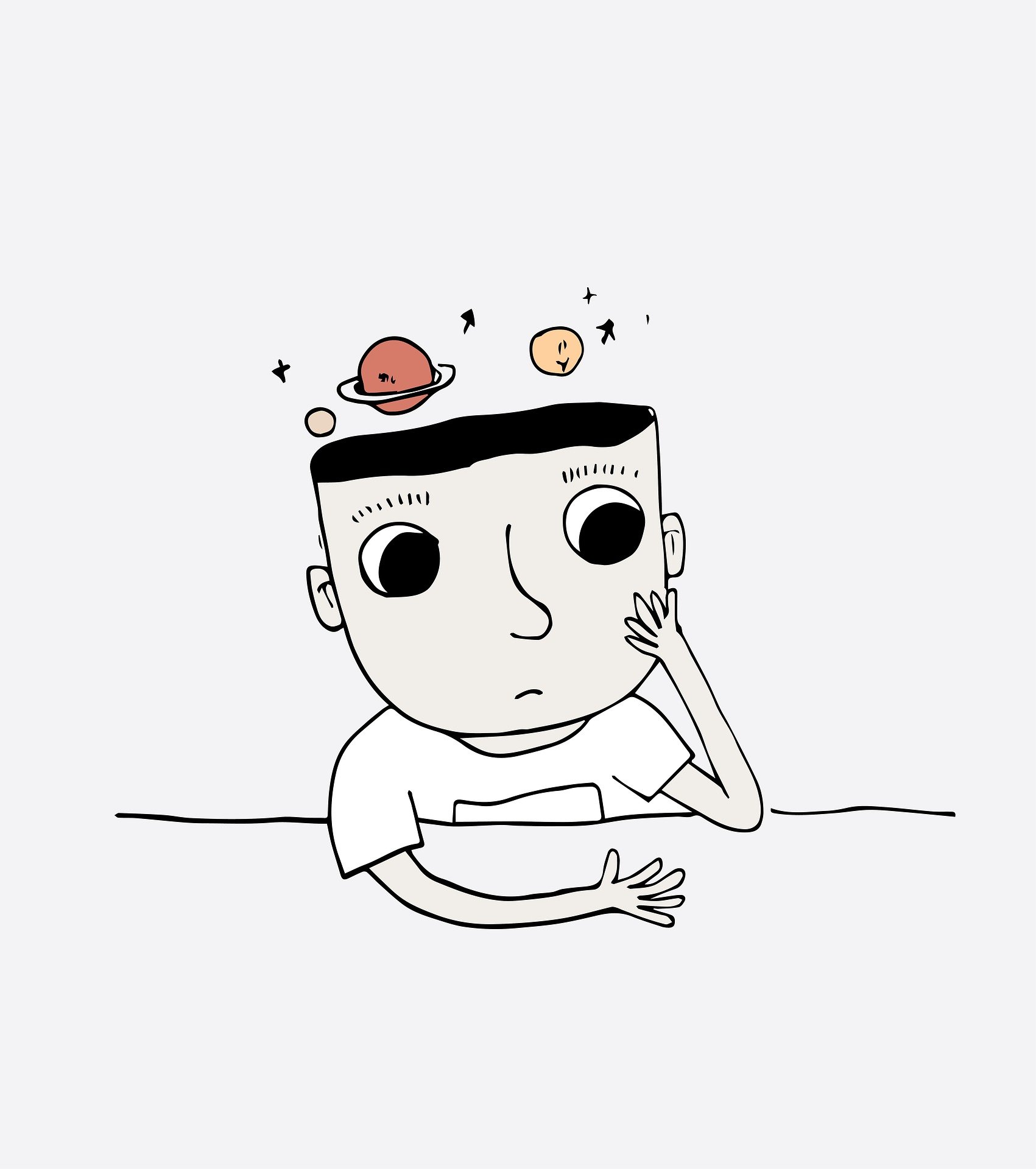
There’s a lie we’ve repeated so often that it now sounds like truth.
“There are no jobs.”
You hear it in buses. In barbershops. In WhatsApp groups. In late-night conversations between friends staring at ceilings, wondering what went wrong.
“There are no jobs.”
But what if that’s not the real problem?
What if the problem isn’t the absence of jobs… but the absence of thinking differently about what work actually is?
The Comfort of Blame
Blaming the system is easy. In fact, it’s comfortable.
It gives you a villain. A reason. A place to point your frustration.
“The government failed us.”
“The economy is bad.”
“There are no opportunities.”
And yes—some of that is true. Systems are broken. Economies fluctuate. Opportunities are unevenly distributed.
But here’s the uncomfortable truth:
Even in broken systems, some people are still winning.
Even in tough economies, some people are still creating wealth.
Even in countries with “no opportunities,” some people are building empires from nothing.
So the real question becomes:
What are they seeing that everyone else is not?
Jobs Were Never the End Goal
Let’s go back.
Somewhere along the way, we were taught a very specific formula for life:
Go to school → get good grades → get a job → survive.
Not thrive. Survive.
A job became the destination. The finish line. The prize.
But that model was designed for a different era—an industrial mindset where companies needed workers, and workers needed salaries.
Today, that world is changing faster than most people are willing to admit.
Companies are automating. Outsourcing. Downsizing.
Technology is replacing repetition.
And yet, millions are still chasing the same shrinking pool of “jobs” like it’s the only path that exists.
That’s not just a job problem.
That’s a thinking problem.
The Marketplace Doesn’t Pay You for Effort
Here’s something most people never fully understand:
The world doesn’t pay you for how hard you work.
It pays you for the value you create.
You can wake up at 05:00, work until midnight, sweat, struggle, sacrifice—and still be broke.
Why?
Because effort without direction is just exhaustion.
Value is what matters.
If you solve a problem people care about, you get paid.
If you don’t, you don’t.
It’s that simple—and that brutal.
The Shift from Job-Seeker to Problem-Solver
Most people wake up and ask:
“Who is hiring?”
But very few wake up and ask:
“What problem can I solve today?”
That shift—small as it sounds—is everything.
A job-seeker waits.
A problem-solver creates.
A job-seeker depends on approval.
A problem-solver builds independence.
A job-seeker competes with thousands.
A problem-solver often stands alone in a space nobody noticed.
Look Around You
Walk through your neighborhood.
Really look.
- Someone is struggling to get customers.
- Someone doesn’t understand how to use the internet for their business.
- Someone needs delivery services.
- Someone wants to learn a skill but doesn’t know where to start.
- Someone has a product but no branding.
- Someone has land but no strategy.
These are not just problems.
These are opportunities wearing work clothes.
But most people don’t see them—because they’ve trained their minds to look only for job postings, not for gaps.
The Education Trap
Education is powerful. But it can also be limiting—depending on how you use it.
We’ve created a system where people graduate with degrees… but no ability to think independently.
They know how to pass exams.
But they don’t know how to identify opportunities.
They know how to follow instructions.
But they don’t know how to create direction.
So they leave school with one goal:
“Find a job related to my degree.”
And when that job doesn’t exist?
They feel stuck. Betrayed. Lost.
But the truth is—they were never trained to think beyond that path.
Again, not just a job problem.
A thinking problem.
The Fear of Starting Small
Let’s be honest.
Pride has killed more dreams than failure ever could.
People don’t want to start small.
They don’t want to look “broke.”
They don’t want to sell things on the street, start a small service, or experiment with ideas that might fail.
They want something that looks like success immediately.
So they wait.
And while they’re waiting, time moves.
Opportunities pass.
Others—less qualified but more willing—step in and take what could have been theirs.
The Internet Changed Everything
You’re living in a time where a phone is a gateway to global opportunity.
You can:
- Learn skills for free
- Build a business online
- Sell products across borders
- Create content that reaches thousands (or millions)
- Work remotely for people you’ve never met
And yet… many still say:
“There are no jobs.”
It’s like standing in the rain and saying there’s no water.
The Real Currency: Skills + Creativity
Degrees are good.
But skills are better.
Because skills can be applied anywhere.
And when you combine skills with creativity?
You stop looking for work—and start creating it.
A person who knows how to code can build tools.
A person who understands marketing can grow businesses.
A person who can tell stories can build audiences.
A person who can connect ideas can create entirely new industries.
The question is no longer:
“What did you study?”
It’s:
“What can you do?”
Responsibility Is Power
Here’s the part most people avoid.
Because it’s heavy.
Because it removes excuses.
Because it forces you to confront yourself.
You are responsible.
Not for everything that happens to you.
But for how you respond to it.
You can blame the system forever.
Or you can study it… understand it… and learn how to move within it—or around it.
Responsibility is not punishment.
It’s power.
Because the moment you take responsibility, you stop waiting for permission.
The New Definition of Work
Work is no longer a place you go.
It’s something you create.
It’s solving problems, delivering value, and building systems that generate income—whether you’re physically present or not.
It could be:
- A digital product
- A service business
- A content platform
- A tech solution
- A distribution network
- A community
Work today is fluid.
Flexible.
And for those willing to think differently—limitless.
The Harsh Truth
Not everyone will make it.
Because not everyone is willing to change how they think.
Some will hold onto the old model until it completely collapses.
Some will wait for opportunities that will never come.
Some will complain more than they create.
And life will move on—without them.
But Here’s the Opportunity
If you’re reading this and something inside you is shifting—even slightly—you’re already ahead.
Because awareness is the beginning.
Start small.
Start messy.
Start uncertain.
But start.
Learn a skill.
Solve a problem.
Build something.
Test ideas.
Fail.
Adjust.
Try again.
And again.
And again.
Because the people who win are not the ones who had the most opportunities.
They’re the ones who created them.
Final Thought
We don’t have a job problem.
We have millions of people trained to wait… in a world that rewards those who move.
We have people searching for doors… in a time where walls can be broken.
We have minds stuck in old systems… while new systems are being built every day.
The real revolution isn’t economic.
It’s mental.
Change how you think—and you change how you see the world.
Change how you see the world—and you change what’s possible for you within it.
And once that shift happens…
You’ll stop asking, “Where are the jobs?”
And start asking the only question that really matters:
“What can I build?”